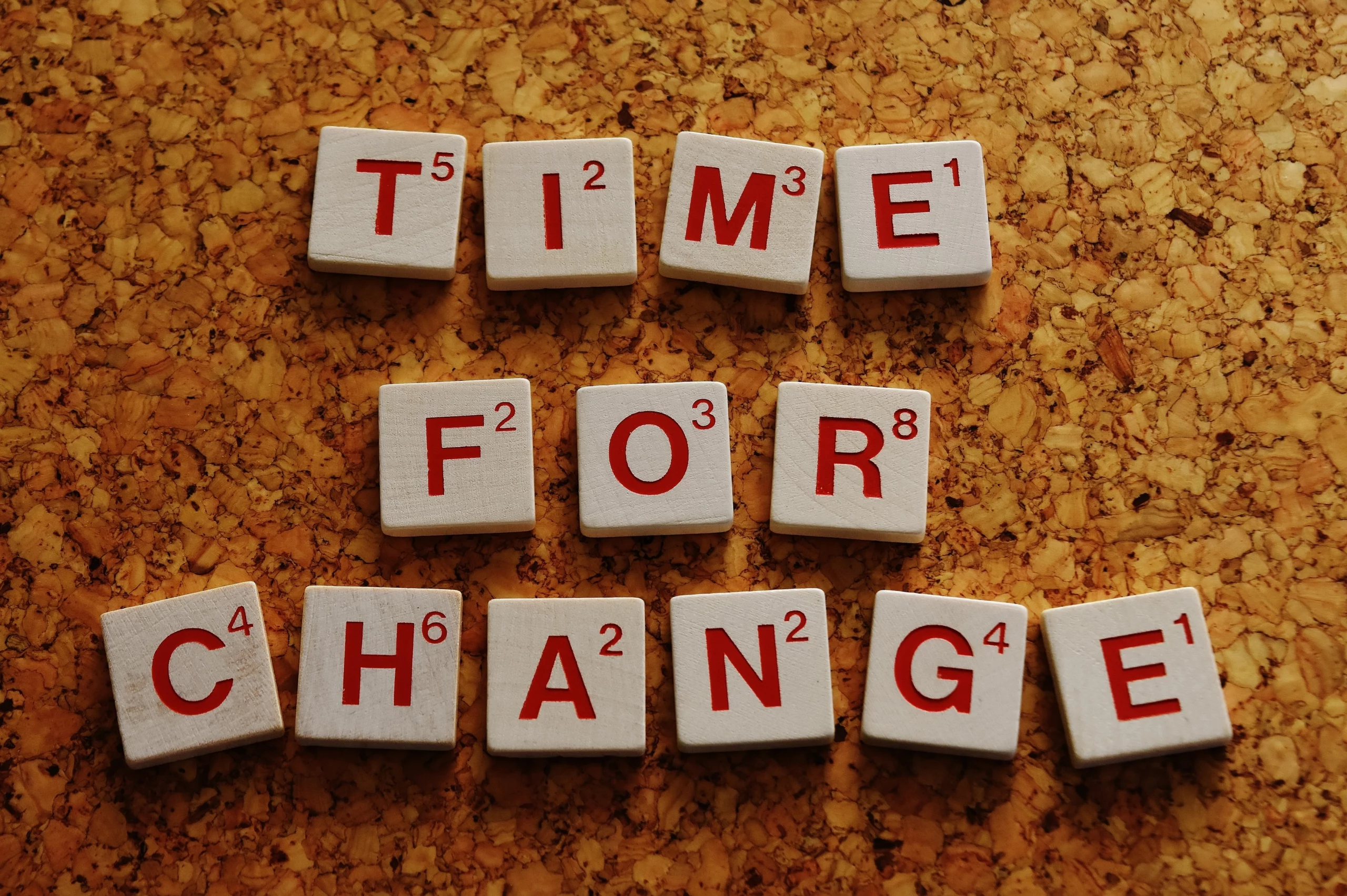
Half the year is gone – time for an honest look
„Oh yes, my resolutions from January …“ – „There’s no point starting now anyway.“ – „Next year I’ll do it properly.“
Mid-July. The year has reached half-time, and perhaps a quiet memory surfaces of what you set out to do in January. If little of it is left: you don’t have to wait until New Year’s Eve to start again. Research even says now is an excellent moment.
The fresh start effect: any landmark date can be a new beginning
The behavioural researchers Hengchen Dai, Katherine Milkman and Jason Riis showed in a widely noted 2014 study that people pursue their goals more strongly after temporal landmarks – not just on 1 January, but also at the start of a week, the start of a month, after a birthday or at the start of a semester. Students went to the gym around a third more often at the start of a week, and almost half as often again at the start of a semester.
The mechanism behind it: such dates open a new «mental accounting period». The failures before them feel like they belong to the old self – the mind is freed for an unburdened start. That is exactly what makes mid-year so valuable: it’s a natural landmark, right in the middle of the year.
The honest numbers on resolutions
You may have heard that „80 per cent of all resolutions fail by February“. That figure circulates online – there is no solid source for it, and serious research clearly contradicts it.
John Norcross and colleagues followed people with New Year’s resolutions over months: around 46 per cent were still going after six months. For comparison: of those who wanted to reach the same goal without a concrete resolution, only 4 per cent were. So a resolution makes you roughly ten times more successful than vague wanting. A Swedish study by Oscarsson and colleagues with more than a thousand participants also found that approach goals („I go running twice a week“) clearly beat avoidance goals („I’ll stop sitting around so much“).
The message is twofold: resolutions work better than their reputation – and how you formulate them matters. What I think of annual resolutions in general is described in the article Resolutions for 2025.
Your mid-year review: five questions
Before you set new goals, an honest look back is worth it. Take 20 minutes, a sheet of paper and these questions:
- What have I achieved in the last six months that I’m proud of – including the small things?
- Which resolution from January still matters to me – and which one may officially go?
- What gave me energy in this half-year, and what took energy from me?
- Which single change would have the greatest impact on my second half-year?
- How will I recognise in December that this half-year was worth it?
🟢 Tip: Deliberately cross out what no longer fits. A review isn’t a register of debts – it’s a stocktake. If you’d like to dig deeper, structured self-tests can help too; more on that in the article Gaining clarity with self-tests.
If-then plans: the best-evidenced shortcut from wanting to doing
For the step from intention to action there’s a tool with impressive evidence: implementation intentions, or if-then plans, developed by Peter Gollwitzer. A meta-analysis by Gollwitzer and Sheeran across 94 studies found a medium to strong effect – making if-then plans one of the best-evidenced interventions in motivational psychology altogether.
The principle is simple: you link a concrete situation to a concrete action.
- „When I get home on Tuesday at 6 pm, the first thing I do is put on my running shoes.“
- „When someone offers me an extra task in a meeting, I say: I’ll check my diary and come back to you tomorrow.“
- „When I want to reach for my phone in the evening, I first put the book on the sofa cushion.“
The trick: the decision is no longer made in the moment of temptation but beforehand. The situation itself becomes the trigger.
WOOP: dreaming alone isn’t enough
A widespread misconception says: „Visualise your success and it will come.“ Gabriele Oettingen’s research shows the opposite – pure positive fantasising tends to lower your energy, because the goal already feels achieved in your head. What works is the combination she calls WOOP:
- Wish: what specifically do I want?
- Outcome: how does it feel when it works out?
- Obstacle: which inner obstacle will realistically get in my way?
- Plan: when that obstacle appears – what do I do then? (This is where your if-then plan comes in.)
Thinking the obstacle through is not pessimism – it’s the part that makes the difference. And if you notice that you want change but aren’t getting into action, do read the article You say you want change.
Conclusion
You don’t need a 1 January to start again – every landmark works, and mid-year is one of the best. The numbers are encouraging: almost half keep their resolutions for six months, and with a resolution you’re many times more successful than without. Formulate approach goals rather than avoidance goals, take an honest stocktake, and translate your intentions into if-then plans. The second half of the year starts right now.
Would you rather not do your mid-year review alone?
In coaching we take stock together and turn your goals into concrete if-then plans that hold up in your everyday life.
Your progress is my joy.