Mental Load: The Invisible Work That Wears You Out
Mental load is the constant anticipating, planning and keeping track – invisible, boundaryless, never finished. What the research shows and what you can do.
Read more →for personal development, high sensitivity, stress & burnout, mindfulness, boundaries & self-worth
Are you looking for an experienced and empathetic life coach in the Zurich Oberland, Wetzikon, who understands your individual concerns? As a leading expert in the region, I accompany you with:
Unlock your potential, gain clarity about your goals and actively shape a fulfilling life.
Learn to use your sensitivity as a strength and live authentically in your everyday life.
Find your way back to energy, balance and joy – with proven methods to handle pressure and demands, and a clear plan.
You say yes to everything, keep everyone happy and end up empty yourself? Learn to say no – without guilt and without hardening.
Develop inner calm, reduce stress and find more serenity and clarity in daily life.
The feelings are there but have no place? Understand your emotions and use them as a strength – no drama, no mask.
Thanks to my extensive experience and individually tailored approach, I am the first choice for people in the Zurich Oberland, Wetzikon, who are looking for professional support.
Your progress is my joy!
Winn Chelini | CHW-Coaching in the Zurich Oberland, Wetzikon
❓ Asking questions is the key to growth and change – in life, as in life coaching. Without questions we remain trapped in our habitual tracks, stuck in our thought patterns, and miss opportunities to develop.
💡 By deliberately questioning our beliefs, behaviours and goals we can gain new perspectives and deeper insights into our own potential.
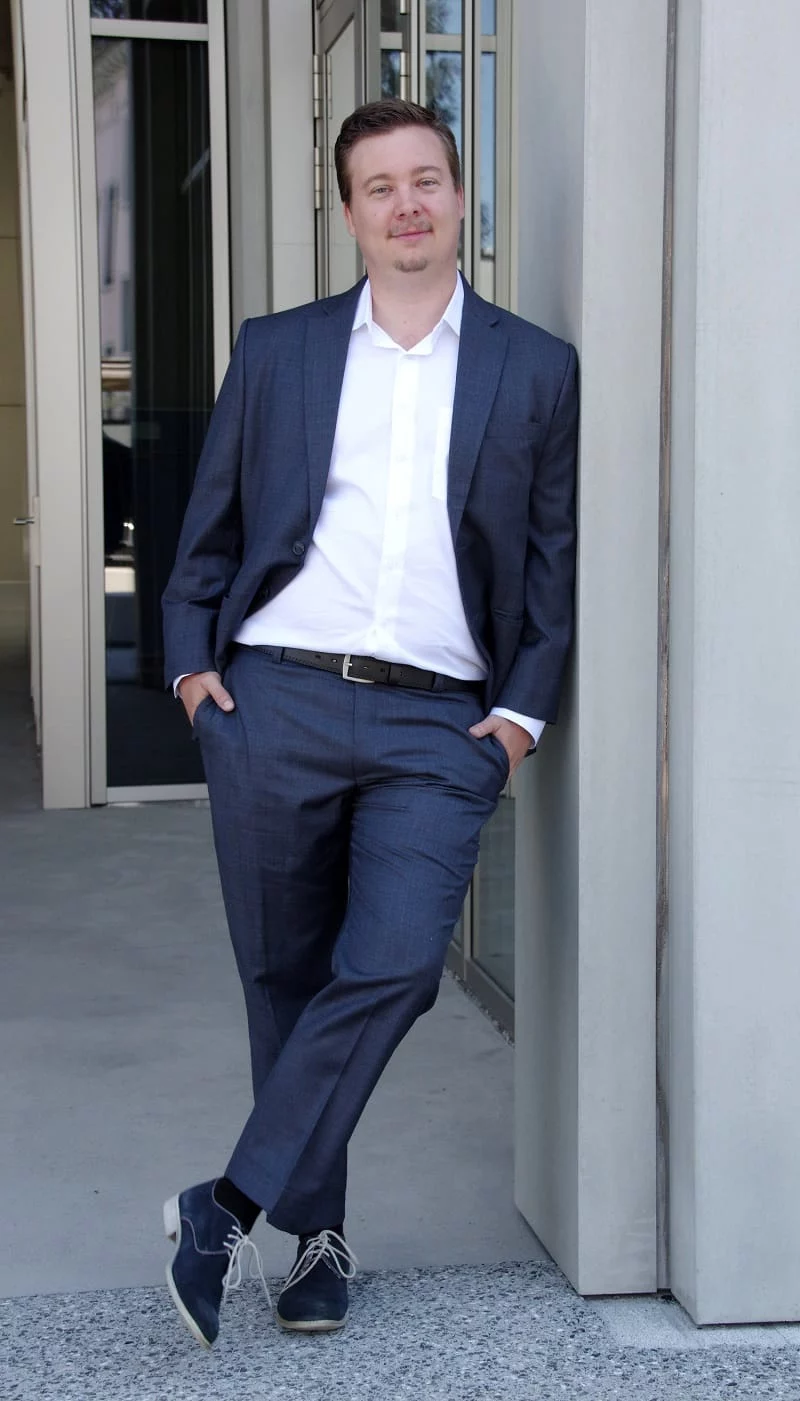
🌟 I am a life coach in the Zurich Oberland, Wetzikon, with a diverse professional background: 🎓 After my Bachelor of Science in mechanical engineering at the UAS Zurich, I worked for many years as a senior IT engineer, team leader and solution architect in the aerospace sector, leading large, complex projects.
💡 The turning point: despite all my professional success, I felt a growing inner dissatisfaction. My values and needs no longer matched my environment, which ultimately led to a burnout. That crisis forced me to pause – and in the process I discovered my own high sensitivity.
✨ The challenge: over time I realised that my ability to perceive the world more intensely is not only a burden but can be a great strength – an intense journey of personal development.
🤝 Today this experience inspires me to help others. I offer you professional coaching and support with:
I accompany you on your path to discovering your strengths and living a life in harmony with your values and abilities – for more personal development, balance and a fulfilling life. Coaching sessions are available in English and German, in person in Wetzikon or online.
As someone who has overcome burnout himself, I know exactly what it feels like to reach a point where everything seems overwhelming. In those moments you wish for someone who listens and understands. That is exactly what I offer – an open ear, empathy and professional support.
I know from my own experience how hard it can be to wait for a therapy placement. As a life coach in Wetzikon I stand by your side during this phase – a valuable bridge until a therapy place becomes available. My coaching does not replace therapy, but it helps you manage stress, recognise inner patterns and regain strength.
As a highly sensitive person I know how deeply emotions can affect wellbeing. I support you in understanding and dealing with your emotions. Especially with burnout, stress, high sensitivity, setting boundaries or personal development, I offer empathetic and authentic coaching – for women and men alike.
If you are looking for an empathetic, authentic life coach in Wetzikon and the Zurich Oberland who not only listens but understands what you are going through, then I am the right companion for you. Together we will work on helping you:
CHW-Coaching – because you deserve to step back into your power.
Every person is unique – and your life coaching should be too. I develop an individually tailored plan that moves you forward on your personal path.
Rely on proven, well-founded life coaching methods based on experience and insight to achieve lasting change and real progress.
My life coaching is built on a trusting exchange with your goals at the centre. Together we find the best paths for your personal growth.
🎯 Are you looking for more clarity, self-confidence and emotional strength? Do you finally want to unlock your full potential and actively shape your life? Then CHW-Coaching in Wetzikon is the right place for you – your expert for personal development, stress management and emotional strength.
Personal development means working on yourself, recognising your strengths and developing them further. It helps you release blocks, overcome self-doubt and clearly define your life goals.
At CHW-Coaching in the Zurich Oberland (Wetzikon) I support you in:
Start your journey to the best version of yourself today. Book your free initial consultation for life coaching & personal development in Wetzikon and discover what real change can do for you!
Grow. Strengthen yourself. Fulfil yourself.
🛡️ Many people who come to me have no problem with performing – but with stopping. They are reliable, empathetic, carry a lot, and notice too late that nothing is left for themselves. That is not a character flaw. It is a pattern, and patterns can be changed.
Where does your yes-reflex come from? Usually from rules learned early on that made sense back then – and cost energy today.
What is a real need, and what is a standard you have taken over from others? Only once you separate the two does saying no become easier.
Concrete wording for family, partnership and work – clear, friendly, without a marathon of justifications.
A sense of self-worth that does not depend on how much you are needed. That is the real core.
Setting boundaries does not mean becoming hard. It means becoming honest – with yourself and with others. What that looks like in practice is on the page Boundaries & self-worth. If it is rather your feelings that overwhelm you, see Emotional overwhelm – and for men whose feelings are there but have no place, there is Men and emotions.
«Although speaking about feelings in front of strangers was a small hurdle for me at first, it came surprisingly easily in this pleasant atmosphere. Winn’s open and appreciative manner, combined with many practical exercises, contributed to that. The conversations helped me to see problems in a completely different way and to gain new perspectives.»
«The open and appreciative atmosphere Winn created helped us to exchange on a deeper level in the group. Besides the mutual exchange, Winn gave us a whole set of new perspectives that allow us to see our feelings in a different light.»
Do you often feel stressed, overwhelmed or restless inside? In today’s hectic world there is hardly any time to pause and feel yourself. Yet true serenity begins within. With mindfulness coaching in Wetzikon you can learn to calm your mind, reduce stress and gain more quality of life.
Mindfulness means consciously perceiving the present moment without judging it. It helps you step off the merry-go-round of thoughts and arrive back at yourself. Mindfulness fosters emotional balance, reduces stress and strengthens your mental clarity. Studies show that regular mindfulness practice increases resilience, improves concentration and sustainably enhances emotional wellbeing.
As a certified life coach I accompany you with individually tailored methods and years of experience. In my coaching sessions you learn:
Start your journey to more inner calm, clarity and emotional strength today. Book your free initial consultation for mindfulness coaching in Wetzikon and discover how to manage stress and shape your life more consciously!
Grow. Strengthen yourself. Fulfil yourself.
📖 The concept of high sensitivity goes back to the US psychotherapist Elaine N. Aron. In 1997 she first defined the term «Highly Sensitive Person» (HSP) and researched sensory processing sensitivity.
🌿 High sensitivity describes a personality trait in which people perceive and process their environment more intensely than others. They react more strongly to external stimuli such as sounds, smells and light, but also to emotional and interpersonal impressions. This heightened sensitivity is not a weakness but a special ability found in roughly 15–20% of people.
🔍 Highly sensitive people have a finer sense for details and nuances in their surroundings. They often notice little things others miss, whether a subtle change in the tone of a conversation or the atmosphere of a room. This pronounced perceptiveness often comes with deep empathy, allowing highly sensitive people to intuitively understand the feelings and needs of others.
⚡ However, this intensity of impressions can also be challenging. Highly sensitive people tend to become overstimulated more quickly because they process so much information at once. This can lead to exhaustion or stress, especially in hectic or loud environments. Many highly sensitive people therefore need more time to recover and often retreat to quiet, familiar surroundings.
💎 It is important to see high sensitivity as a strength which – when consciously accepted and integrated – can become a valuable resource in everyday life. Through their empathy, creativity and deep capacity for reflection, highly sensitive people bring valuable perspectives to their relationships, their work and their lives.
🌟 If you recognise yourself in this description, do not let anyone dismiss you as «too sensitive». Give your needs for rest, mindfulness and balance the space they deserve. High sensitivity can become a compass for understanding yourself better and living in harmony with your own nature.
The characteristics of high sensitivity can vary in intensity from person to person. Here are some of the most common signs:
Highly sensitive people perceive external stimuli such as sounds, light or smells very intensely. A certain scent, the ticking of a clock or an uncomfortably scratchy jumper can strongly distract or disturb them. Internal signals, such as a nervous heartbeat or a queasy feeling in the stomach, are also perceived more consciously.
Highly sensitive people have a pronounced need to understand things in depth. They frequently think intensely about various topics, analyse situations down to the smallest detail and sometimes tend to ruminate.
The feelings of highly sensitive people are often very deep and intense. They experience emotions in a particularly strong form and also strongly perceive the moods and emotions of other people. This capacity for empathy can sometimes go so far that they can hardly distinguish their own feelings from those of others.
Due to the multitude of stimuli they process, highly sensitive people often feel overstimulated quickly. This can lead to stress, inner restlessness and exhaustion. The constant flood of impressions makes it hard for them to wind down, which can result in tiredness and a need to withdraw.
❓ Have you ever wondered whether you are highly sensitive? Your perception is more intense, you often feel exhausted more quickly or overwhelmed by the hustle and bustle of everyday life? Then high sensitivity could play a role in your life.
📝 This test gives you a first assessment of whether you are highly sensitive. The result is divided into three categories: «not highly sensitive», «partially highly sensitive» and «highly sensitive».
✨ Take the opportunity to learn more about yourself and find out how to live with your high sensitivity more consciously and with greater strength.
Science-based self-assessments – HSP test, burnout early-warning check, stress test, personality test and more. Anonymous, free, and evaluated directly in your browser.
Go to the self-assessments👉 Together we discover your values and goals and build your self-confidence. This gives you clarity for your next steps and lets you shape your life actively.
👉 With individually tailored mindfulness and resilience techniques you learn to recognise stress early, regulate it and reduce it in the long term.
👉 We analyse your sources of stress, develop a burnout prevention plan and strengthen your energy and resilience step by step.
👉 You learn to manage stimuli better, use your empathy consciously and protect yourself from overwhelm.
👉 We look at where your yes-reflex comes from, what you actually want, and how to set boundaries so that relationships do not suffer – but become more honest. More on the Boundaries & self-worth page.
👉 I support you in developing emotional intelligence, expressing your feelings confidently and gaining personal strength.
👉 With mindfulness techniques and exercises you gain clarity, strengthen your mental health and find more inner balance.
Book your free initial consultation and together we will find out how I can accompany you on your path.
👉 Book an appointment nowMental load is the constant anticipating, planning and keeping track – invisible, boundaryless, never finished. What the research shows and what you can do.
Read more →Self-optimisation promises a better life and often delivers exhaustion. What research on contingent self-worth says – and where the line runs.
Read more →Honest figures on coaching prices in Switzerland: typical ranges, what determines the price, why there are no official statistics – and what you should look out for.
Read more →«It's just hormones» – is it? What studies show about the cycle and mood, where PMS ends and PMDD begins, and what coaching can and cannot do about it.
Read more →