
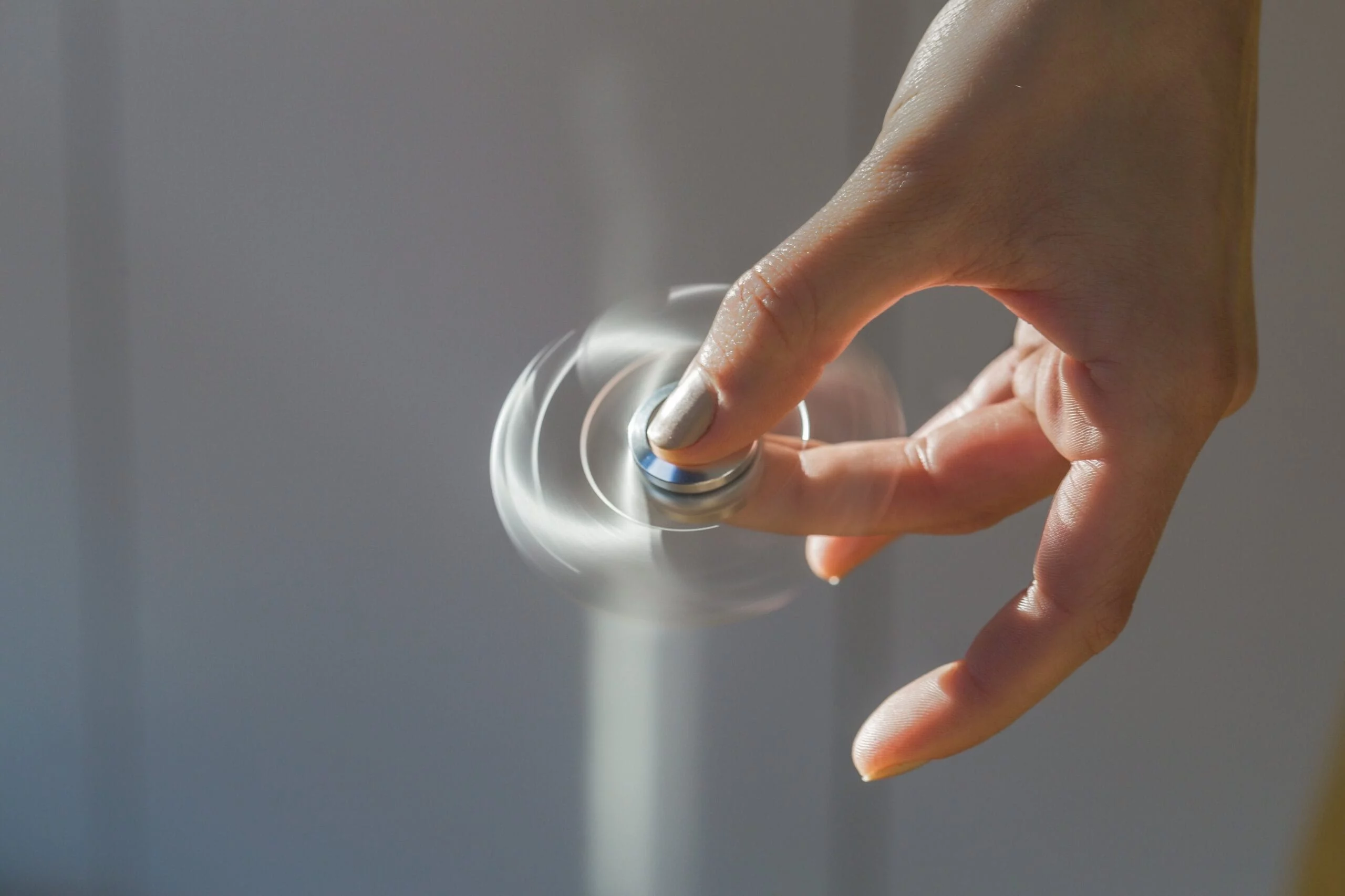
Whether it’s video games, parties, alcohol or working late into the night: distraction becomes an escape when its job is to make sure you don’t have to feel stress, insecurity or overwhelm. Distraction in itself isn’t bad; in experiments it really did ease unpleasant feelings in the moment (Webb, Miles & Sheeran 2012). In this article I look at why we distract ourselves, what dopamine really does and how you can step out of the cycle.
Why we distract ourselves
Distraction is nothing new. Humans have always looked for ways to escape reality or take their minds off their worries. Today, however, the opportunities are everywhere and more tempting than ever. Whether it’s video games, long party nights, alcohol or work until exhaustion, each of these activities can serve the same function: it offers a brief escape from everyday life.
Behind this there is often the wish to escape stress, insecurity or overwhelm. Rather than facing the causes of these feelings, it is easier to look for the quick kick that lets us forget for a moment what is really going on.
Is distraction always bad?
No. A meta-analysis of 306 experimental comparisons showed that distraction eased unpleasant feelings in the moment. Deliberately immersing yourself in the unpleasant feeling, by contrast, did not help (Webb, Miles & Sheeran 2012). So a deliberate break, a walk or an episode of your favourite series can be exactly the right thing.
It becomes difficult when distraction turns into a permanent strategy and you avoid unpleasant feelings as a matter of course. In a review of 114 studies, frequent avoidance was clearly associated with anxiety, depression, eating disorders and addiction problems (Aldao, Nolen-Hoeksema & Schweizer 2010). That is an association, not proof of cause and effect. But it fits what many people know from their own experience: what we push away comes back.
Three questions help you tell a break from an escape:
- Do I choose the distraction deliberately, or does it just happen?
- Does it have an end, or does it go on until the evening is over?
- How do I feel afterwards: rested, or rather empty and restless?
Dopamine fact check: not a happiness hormone
Online you often read that dopamine is the “happiness hormone” and that every distraction is a “dopamine hit”. An earlier version of this article said so too. Research paints a different picture.
Myth 1: “Dopamine makes you happy.” Dopamine is a messenger substance in the brain that is mainly linked to drive and anticipation. The neuroscientists Kent Berridge and Terry Robinson distinguish between wanting and liking. Wanting depends heavily on the dopamine system; according to their findings, liking does not (Berridge & Robinson 2016). That’s why you can badly want something that barely makes you any happier afterwards. You may know the feeling after an hour of scrolling.
Myth 2: “The brain needs more and more dopamine for the same feeling.” That the body gets used to a substance and its effect wears off is well described for addictive substances. In addiction, however, Berridge and Robinson’s theory holds that it is mainly the wanting that grows, often triggered by particular cues, while the liking stays the same or even decreases. And people differ in how susceptible they are. It does not follow that every distraction automatically leads to dependency.
Myth 3: “A dopamine detox resets your brain.” Dopamine isn’t a toxin that builds up and has to be flushed out. Why the detox trend doesn’t deliver what it promises, and what really helps with constant scrolling, is covered in the article how to stop doomscrolling.
What remains: distraction isn’t a chemical reflex you are at the mercy of. What matters is what you use it for.
Video games: hobby or escape?
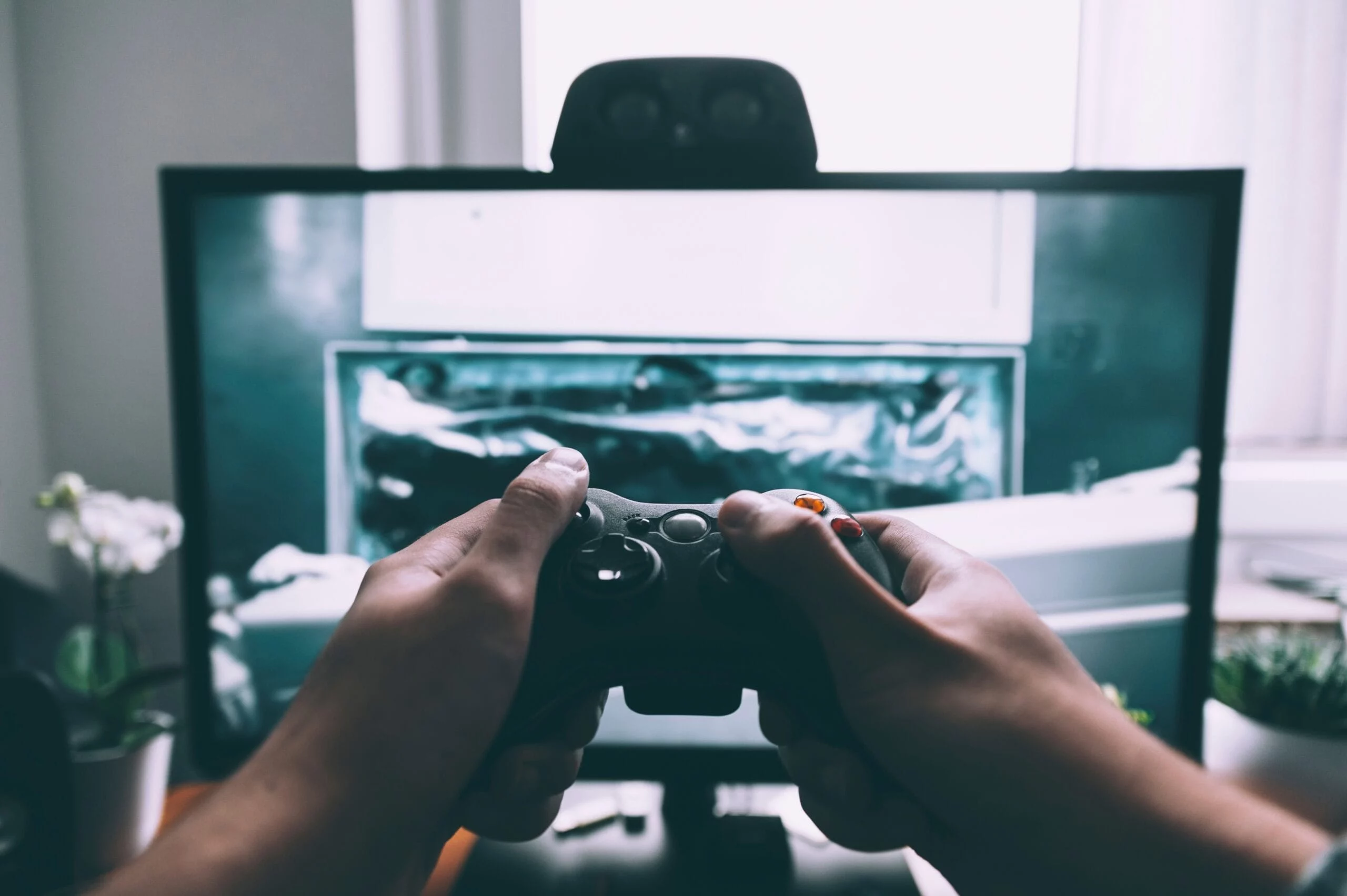
Video games offer a fascinating escape from reality. They give us a sense of control and achievement, even while we may be grappling with uncertainty or challenges in real life. Many games are built for exactly this: the next level, the next reward is always within reach.
That alone doesn’t make gaming a problem. The World Health Organization describes gaming disorder in the ICD-11 by three features: you lose control over your gaming, it takes priority over other interests and daily activities, and you carry on or play more even though it harms you. As a rule, this has to have been the case for at least twelve months and has to impair your life significantly. According to the WHO, only a small proportion of people who play games are affected.
For most people, then, the more helpful question isn’t “Am I addicted?” but: “Am I playing because I enjoy it, or because I don’t want to feel something else?”
Parties and alcohol: brief relief, longer consequences

Parties and alcohol provide a similar kind of distraction. Being tipsy brings laughter, dancing and forgetting, for the moment. But the next day the problems are back, often together with tiredness and a guilty conscience. And the consequences can be more serious than with other distractions, for your health and for your relationships.
One warning sign is drinking regularly to switch off, to fall asleep or to forget your worries. Then it is worth taking an honest look and getting support; where to find it is set out further down.
Workaholism: the socially accepted escape

One of the most insidious forms of distraction is workaholism. In our performance-driven society, a lot of work is often rewarded and seen as a virtue. Yet here too, the constant urge to throw yourself into work can keep you from facing the real causes of your inner restlessness.
Research takes this seriously: in a meta-analysis, workaholism was associated with burnout, job stress, conflict between work and private life, and poorer physical and mental health (Clark et al. 2016). If you can no longer switch off after work, the article switching off: recovery that lasts offers approaches that work beyond your next holiday.
The way out: facing feelings instead of escaping them
The first step out of the cycle is recognising that work, parties, video games or alcohol bring only brief relief. They don’t resolve what is really on your mind. Imagine what it would be like to stop running away and face the things that truly concern you, with inner strength and clarity. Mindfulness helps with this, and it starts with small steps:
- Notice: When you notice yourself reaching for your phone, the remote or a glass, pause for a moment. Ask yourself: what did I not want to feel just then?
- Name it: Give the feeling a name: boredom, fear, anger, loneliness, overwhelm.
- Stay with it: Take a few calm breaths and feel where the feeling sits in your body. You don’t have to do anything with it or brood over it. The point is to notice the feeling briefly before you decide what to do.
- Choose deliberately: If you still want a break afterwards, give it an end: one game, one episode, a timer.
- Tackle the cause: What’s behind it? A task you keep putting off, a conflict, too much work? How to get going with tasks you keep postponing is covered in the article overcoming procrastination.
If you want to gauge how much stress is weighing on you right now, the free Stress Test gives you a first orientation: 21 statements based on the DASS-21 about low mood, anxiety and stress over the past week. It does not replace a medical assessment.
I’m glad to help you on this path. Together we’ll find out what is holding you back and work on how you can deal with difficult feelings without running away from them. What that looks like in coaching is described under facing feelings instead of escaping them.
When to get help
Distraction becomes a problem when you can no longer steer it: when you drink, game or work even though you don’t really want to, when other areas of your life suffer and you still can’t stop. Then coaching alone is not enough.
- Your first point of contact is your family doctor.
- Anonymously and free of charge, you can get online advice on alcohol, gaming, online addiction and other addiction questions at SafeZone.ch (in German, French and Italian). The platform was developed by the Federal Office of Public Health (FOPH) with Infodrog.
- If you are struggling and want to talk to someone: Die Dargebotene Hand can be reached around the clock on 143.
Living life consciously, rather than running away from it, is the key to a more fulfilling and contented life. The first step is often just a brief moment of pausing.